


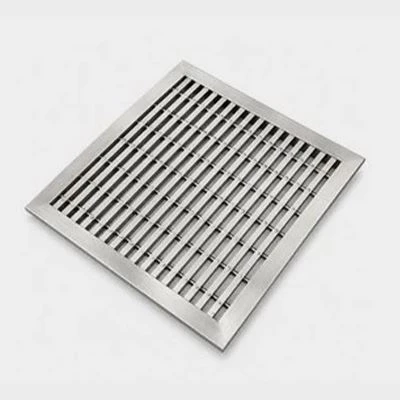


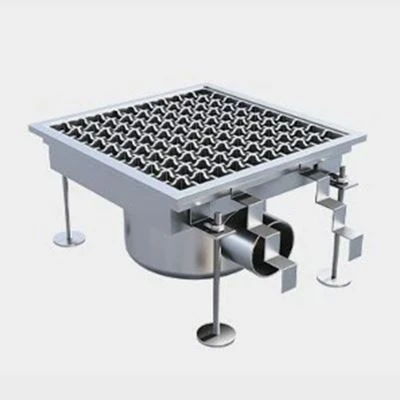
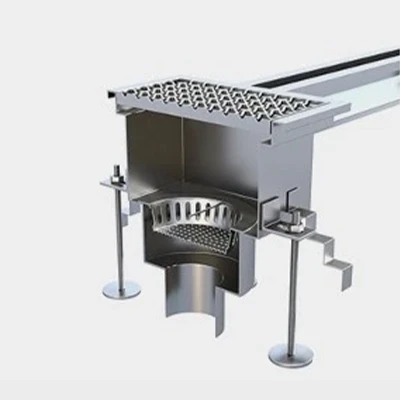

Drainage grates are essential components of surface drainage systems and are typically installed over drainage channels or collection structures. They allow surface water to enter the drainage network while covering and protecting the channel below. Because drainage grates are directly exposed to the surrounding environment and may also experience pedestrian or vehicle traffic, their structural design has a direct impact on water intake efficiency, load performance, safety, maintenance and overall system reliability.
A typical drainage grate consists of a grate body, water intake openings and structural features used to connect or secure the grate to the drainage channel. The design of the openings plays an important role in water collection. Their size, shape and arrangement need to be carefully selected according to the expected drainage requirements. Openings that are too small may restrict water intake, while excessively large openings may allow larger debris to enter the channel. A well-designed grate therefore needs to balance efficient water flow with effective debris control.
Structural strength is another defining characteristic of a drainage grate. Since grates are generally installed flush with the surrounding surface, they may be exposed to pedestrian traffic, equipment or vehicle loads depending on the application. The overall strength and stability of the grate should therefore match the expected operating conditions. Residential courtyards typically have different load requirements from parking areas, roads and other traffic-accessible locations, so material and structural specifications should be selected accordingly.
Many drainage grate systems also feature a modular design. Grates in different lengths or configurations can be combined to accommodate the dimensions and layout of a drainage channel. Proper connection and fixing mechanisms help reduce movement, loosening or misalignment during long-term use while also making installation more efficient.
Ease of maintenance is another important structural consideration. Some drainage grates are designed to be removable, providing convenient access to the channel below for inspection and cleaning. Removing accumulated leaves, sediment and other debris helps keep the grate openings and drainage channel clear, supporting consistent water flow and reducing the risk of blockage.
Modern drainage grate designs also place greater emphasis on corrosion resistance and environmental durability. For installations exposed to moisture, outdoor conditions or significant temperature changes, materials and surface treatments can be selected according to the specific requirements of the application.
Overall, drainage grates are characterized by efficient water intake, structural stability, flexible installation and convenient maintenance. By selecting an appropriate structural design and material for the intended environment, drainage grates can improve the overall performance and reliability of surface drainage systems while providing dependable support for buildings and outdoor spaces.


